Japan Beyond the Tourist Trail: What Most Visitors Never See
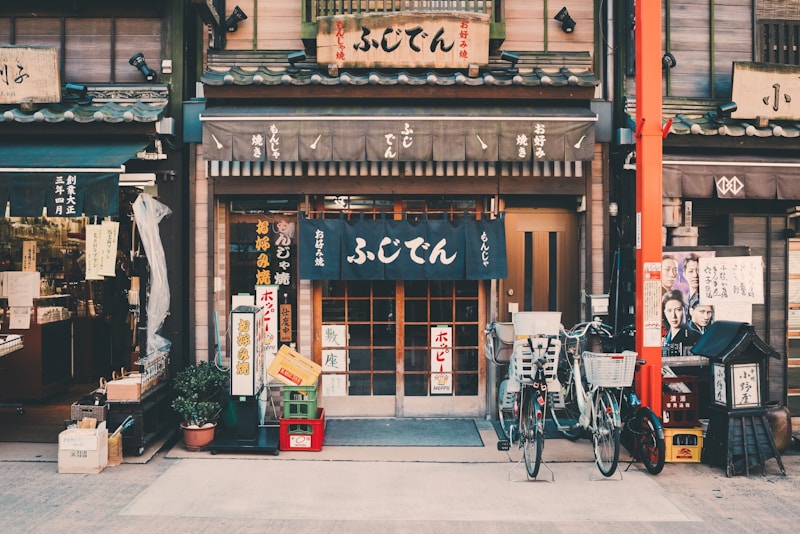
Japan has become one of the world’s most visited countries — and for excellent reasons. The combination of cultural depth, extraordinary food, technological wonder, and a level of civic order that feels miraculous to visitors from more chaotic countries has made it a near-universal travel recommendation. The places everyone visits — Tokyo’s Shinjuku and Shibuya, Kyoto’s Fushimi Inari and Arashiyama, Osaka’s Dotonbori — are genuinely spectacular.
They’re also genuinely crowded. Japan received 25 million foreign visitors in 2023, its first major recovery year post-COVID, with numbers climbing steeply since. The most famous sites have entered a self-defeating loop: the crowds that gather to see them make the experience of seeing them worse, which inspires a search for “authentic” alternatives, which directs that same crowd somewhere else.
Here’s a guide to Japan’s remarkable places that the guidebooks haven’t caught up to — yet.
Kanazawa: The City That Preserves What Kyoto Has Lost
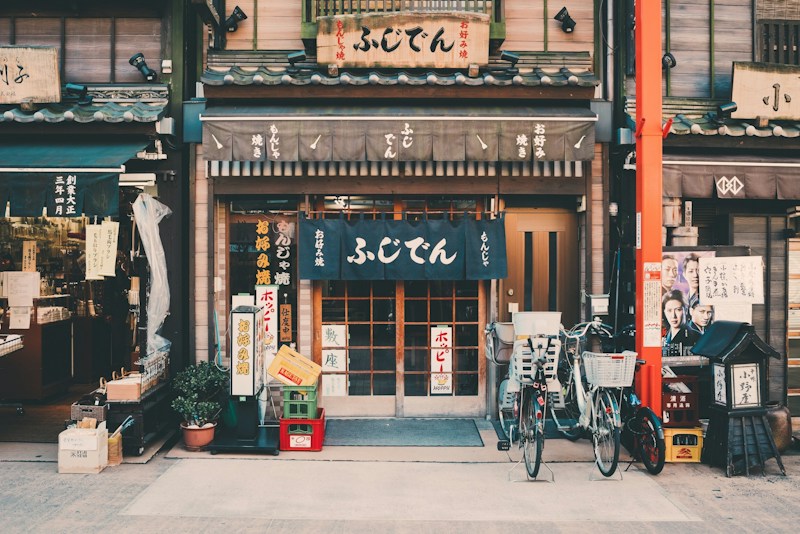
Kanazawa is frequently called “Japan’s Kyoto” — a comparison the city’s residents reportedly find both flattering and slightly annoying. It’s accurate enough: Kanazawa has preserved its samurai and geisha districts largely intact, escaped World War II bombing by virtue of having no major military or industrial targets, and maintained a cultural life built around traditional crafts — Kenroku-en garden (one of Japan’s three great gardens), Higashi Chaya tea house district, Nishiki Koji Lane — that Kyoto has retained in name but lost in atmosphere to mass tourism.
The difference you’ll feel on the ground: you can walk through Kanazawa’s Higashi Chaya without navigating crowds. Kenroku-en at dawn has almost no visitors. The local specialty — kaga cuisine, among Japan’s most refined regional cooking traditions — is available at restaurants where you’ll be the only foreign tourists. The bullet train from Tokyo takes 2.5 hours and costs about $100 round trip.
Naoshima: Where Art and Island Merge
In the 1980s, the Benesse Corporation began transforming a small fishing island in the Seto Inland Sea into a living art installation. Naoshima now hosts museums designed by Tadao Ando (arguably Japan’s greatest living architect), site-specific installations by James Turrell and Walter De Maria, and a village where fishermen’s houses have been converted into art experiences.
The Art House Project in Honmura village is particularly extraordinary: traditional wooden homes that look unremarkable from the outside contain permanent installations by artists who responded to the specific history and character of each building. Tatsuo Miyajima’s LED number installations in the Kadoya house; Hiroshi Sugimoto’s photographs of seascapes in the Go’o Shrine; Setouchi Triennale takes place every three years and brings additional works to the island. The ferry from Takamatsu takes an hour.
Yakushima: The Forest That Inspired Miyazaki
Hayao Miyazaki’s team visited Yakushima as research for Princess Mononoke. The island’s ancient cedar forests — trees up to 7,000 years old, gnarled beyond imagination, covered in moss that softens every surface — look exactly like the film’s forest gods wandering a primordial world. Yakushima receives more than enough rain annually to explain why everything is so intensely, saturatedly green.
Getting there requires a flight from Kagoshima (40 minutes) or a high-speed ferry (2 hours). The famous Jomon Sugi — a cedar believed to be between 2,000 and 7,000 years old — requires an 8-10 hour round trip hike to reach. It’s worth every step. The island has a basic tourism infrastructure and relatively few Western visitors; most are Japanese nature enthusiasts.
Tohoku: The Region That’s Waiting for You
Northern Honshu’s Tohoku region — six prefectures stretching from just north of Tokyo to the Seikan Tunnel connecting to Hokkaido — is Japan’s great undiscovered territory for Western tourists. The 2011 Tohoku earthquake and tsunami devastated the coastal areas and created a psychological association that has persisted longer than the recovery required.
Today Tohoku is fully recovered, home to some of Japan’s most spectacular mountain scenery (Hachimantai plateau, Zao Onsen’s ice monster trees in winter), historically significant sites (Hiraizumi’s World Heritage golden temples, once considered as significant as Kyoto), and a food culture — Sendai beef tongue, Yamagata’s abundant hot spring onsen — that receives none of the global attention given to Tokyo or Osaka cuisine.
Practical Guidance for Going Beyond the Guidebook
Japan’s rail system makes off-the-beaten-path travel remarkably accessible. The Japan Rail Pass covers unlimited Shinkansen and JR local trains — book it before arrival (it’s not available in Japan). For the regions described above:
- Kanazawa: Hokuriku Shinkansen from Tokyo; easily combined with Kyoto via limited express to Osaka
- Naoshima: JR to Takamatsu, then ferry; easily combined with Hiroshima or Okayama
- Yakushima: Fly or ferry from Kagoshima; requires 4-5 days minimum to justify the journey
- Tohoku: JR Tohoku Shinkansen from Tokyo; Sendai is the hub for regional exploration
The Japan that most visitors experience is extraordinary. The Japan they don’t experience is just as extraordinary, and sometimes more so, for being shared with fewer people. It takes only slightly more effort to find — and rewards that effort generously.