The Music Business in 2025: Where the Money Actually Goes
Taylor Swift’s Eras Tour reportedly grossed over $1 billion. Beyoncé’s Renaissance tour was in the same conversation. Morgan Wallen and Bad Bunny are selling out stadiums in 36 hours. By any visible metric, the live music industry is booming.
But for the vast majority of working musicians, the economics of the music business in 2025 have never been more complicated. The streaming revolution that democratized distribution simultaneously collapsed the revenue model that had supported musicians for decades. Understanding where the money actually goes reveals an industry in the middle of a fundamental restructuring — one that has clear winners and many more losers.
Streaming: The Numbers That Should Make You Wince
Spotify pays artists between $0.003 and $0.005 per stream. To earn a single month’s minimum wage from streaming alone, an artist needs approximately 4 million streams. Per month. Most working musicians — even those with devoted fanbases and thousands of monthly listeners — earn a few hundred dollars per month from streaming at best.
Apple Music pays slightly better, at roughly $0.007–0.01 per stream. TIDAL has paid higher rates. But Spotify, with its 600+ million users, dominates the market to the degree that the others barely move the needle for most artists.
The paradox: streaming has made music more accessible than at any point in human history. It has also made making a living from recorded music harder than it was during the CD era, when a mid-tier artist with reasonable distribution could earn meaningful royalties from a few hundred thousand sales.
So Where Does the Money Go?
Streaming platforms pay rights holders — typically record labels — who then pay artists according to their recording contracts. Major label artists typically receive 15–25% royalty rates on digital streaming after recoupment (meaning the label recoups recording, marketing, and advance costs from royalties before the artist sees anything). Indie artists who distribute directly through services like DistroKid or TuneCore keep 80–100% of their streaming revenue, but start from a much smaller audience base.
The songwriting side is separate and often even more confusing. Songwriters and publishers receive mechanical royalties from streaming — set by government bodies at rates that the music industry has fought bitterly to increase. These rates are also a fraction of a cent per stream, divided between songwriter and publisher.
The Live Music Goldmine (For Some)
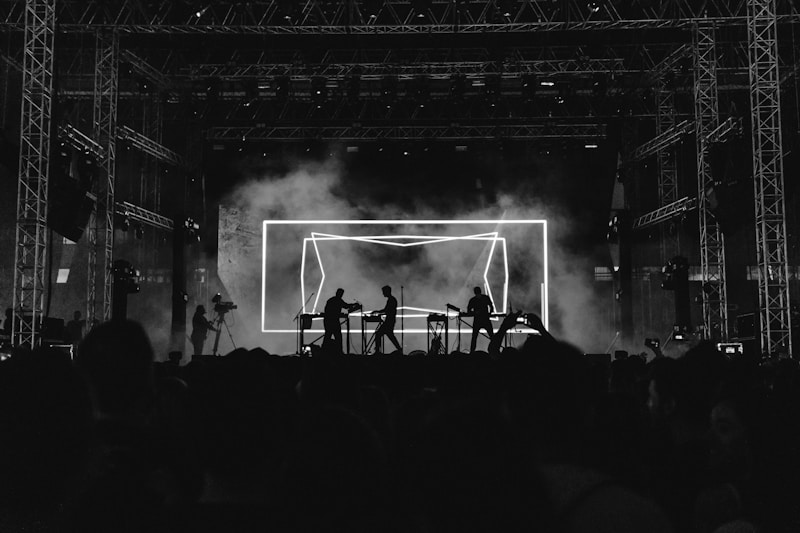
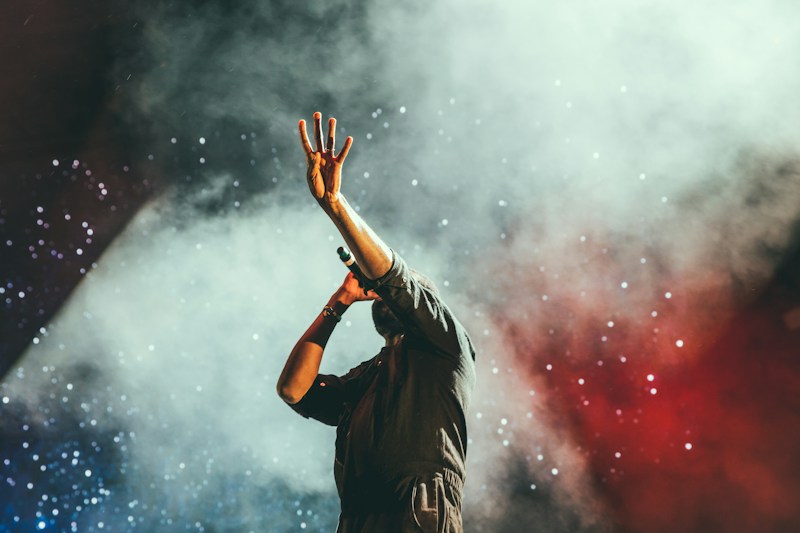
The response to collapsing recorded music revenue has been an enormous expansion of the live music economy. For established artists, touring is now the primary income stream. Taylor Swift, Bad Bunny, Coldplay, and the Rolling Stones earn more from a single tour than most of them earn from recorded music in years.
The margins on live music are extraordinary at scale: a stadium show with 60,000 tickets at an average of $150 grosses $9 million. After production costs, venue fees, and crew — which are substantial — the artist’s take can still be $3–5 million for a single night.
But access to that economy requires existing fame. Emerging artists face a touring economy that has become dramatically more expensive: production costs up, venue fees up, crew wages up, and ticket prices that audiences have become increasingly resistant to paying for unfamiliar names. Developing live careers has never been more expensive or more necessary.
Sync Licensing: The Hidden Income Stream
Sync licensing — the placement of music in films, TV shows, commercials, and video games — has become a critical income stream for musicians who might not have massive streaming numbers. A single national TV commercial can earn an artist $100,000–$500,000. A placement in a major film or television series can reach seven figures for prominent usage.
Some artists have deliberately built careers around sync rather than streaming or radio, writing music designed to fit the emotional needs of film and TV. It’s not a glamorous path, but it’s a economically viable one that the streaming model has made increasingly attractive.

What This Means for the Music You’ll Hear Tomorrow
Economic incentives shape art. When recorded music generated enormous returns, labels invested in artist development — signing artists for long-term relationships, funding albums, building careers over years. That model has largely collapsed. Labels now sign artists who already have audiences, and the development money that used to exist has shrunk dramatically.
The music that thrives in the streaming era is music optimized for algorithms: short songs (streaming pays per-stream, not per-minute), strong opening hooks within the first 30 seconds (Spotify counts a stream after 30 seconds), and consistent release schedules designed to feed algorithms that reward freshness.
Some of the most interesting music being made right now is being made by artists who have abandoned the major label model entirely — building direct relationships with fans through Patreon, Bandcamp, and Substack, releasing music on their own terms, and treating live performance and merchandise as their primary revenue drivers. Whether this represents the future of music or just a niche alternative to the mainstream is one of the genuinely interesting open questions in entertainment right now.