Every time markets get choppy, two camps emerge on Wall Street: the doomsayers calling for a historic crash, and the contrarians urging investors to back up the truck and buy. In 2025, with inflation finally cooling, interest rates at a crossroads, and AI reshaping entire industries, the debate has never been louder — or more consequential for everyday investors.
We analyzed commentary from leading economists, fund managers, and market strategists to cut through the noise. Here’s what the smartest money on Wall Street is actually saying — versus what they’re telling the press.

The Case for a Market Correction
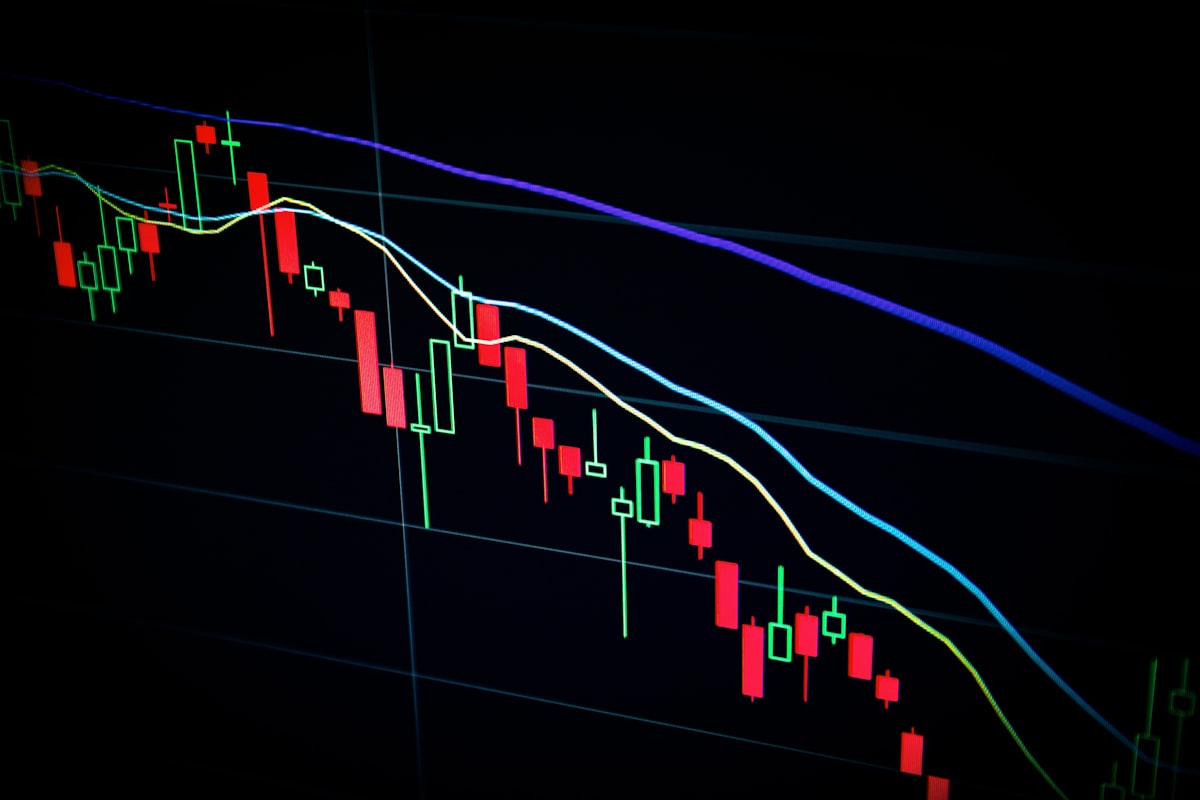
Several respected voices are sounding the alarm — quietly. The concern isn’t a 2008-style collapse, but a meaningful correction of 15–25% from recent highs. Their reasoning:
- Valuations are stretched. The S&P 500’s price-to-earnings ratio remains elevated compared to historical averages. When you’re paying premium prices for future earnings, any disappointment gets punished severely.
- The AI hype cycle risk. History is littered with transformative technologies that were both real and over-valued in the short term. Dot-com companies changed the world — but first they crashed 90%.
- Consumer debt is at record levels. American credit card debt surpassed $1.17 trillion in 2024. When consumers are stretched, they stop spending, and corporate earnings follow.
- Commercial real estate time bomb. Office vacancy rates remain historically high, and hundreds of billions in commercial real estate loans are coming due for refinancing at much higher rates than when they were originated.
The Bull Case: Why This Is a Buying Opportunity
On the other side, a equally compelling argument says that anyone sitting on the sidelines waiting for a crash is the one who’ll get left behind:
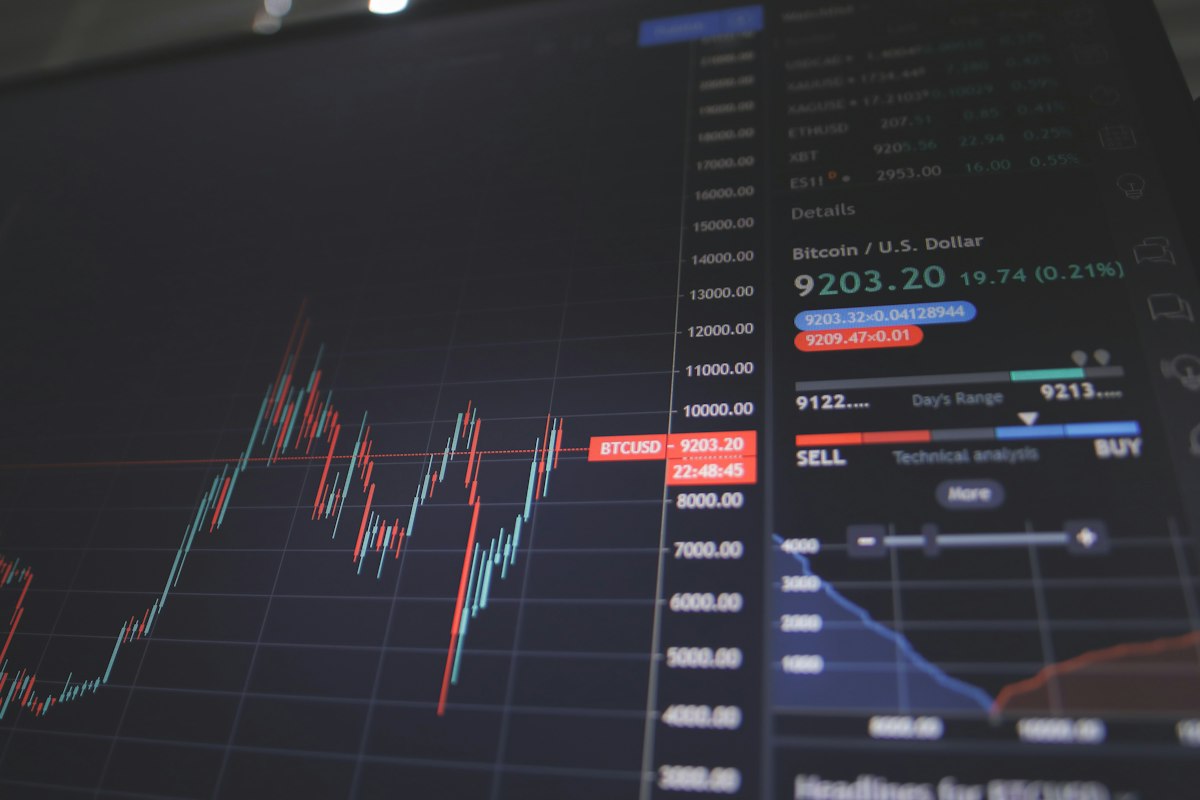
- Inflation is genuinely cooling. The Fed’s aggressive rate hiking campaign worked. With inflation approaching target levels, the Fed has room to cut rates — which historically has been rocket fuel for equities.
- AI productivity gains are real. Unlike the dot-com era, today’s AI companies are generating real, massive revenue. Nvidia, Microsoft, and Google aren’t hypothetical businesses — they’re cash machines.
- Employment remains robust. Low unemployment means consumers have money to spend. Consumer spending drives 70% of the US economy.
- Corporate earnings have been surprisingly strong. Despite all the doom-and-gloom, S&P 500 companies have consistently beaten earnings estimates.
What Smart Long-Term Investors Are Actually Doing
Here’s the thing about the crash-vs-opportunity debate that the financial media rarely tells you: the framing is wrong for most investors. Unless you need your invested money within the next 2–3 years, whether the market drops 20% in the next six months is largely irrelevant to your 20-year outcome.
The data is clear: investors who try to time the market consistently underperform those who stay invested. A JP Morgan study found that missing just the 10 best trading days in the S&P 500 over the past 20 years cut returns nearly in half.
Strategies for Every Scenario
- If you’re worried about a crash: Make sure your asset allocation matches your actual risk tolerance, not your theoretical risk tolerance. Hold 6–12 months of expenses in cash or short-term bonds. Rebalance to your target allocation — don’t try to time it.
- If you think it’s a buying opportunity: Dollar-cost average into the market consistently. Consider sectors that are historically defensive: healthcare, consumer staples, utilities.
- If you genuinely don’t know (the honest answer): Stay the course. Keep contributing to your retirement accounts. Let compound interest do its work.
The One Thing Everyone Agrees On
Despite all the disagreement about market direction, every serious Wall Street professional agrees on one thing: trying to predict short-term market moves is a fool’s errand. The biggest fortunes are built not by calling market tops and bottoms, but by staying invested through cycles and letting the long-term upward trajectory of the economy work in your favor.
Volatility isn’t risk — it’s the price you pay for long-term equity returns. The investors who understand this tend to end up far ahead of those who try to outsmart the market.