The European Cities That Are Still Genuinely Authentic — For Now
Overtourism has transformed the cities that appeared on every travel wish list in the 2010s. Venice limits day-trippers and charges entry fees. Barcelona residents stage protests against tourists. Santorini’s Instagram-perfect whitewashed stairs are so crowded in summer that you can barely walk. The places most people dreamed of visiting have, in many cases, been made exhausting by the scale of that dreaming.
But Europe is vast, and most of it has not been overrun. These are the cities where the restaurants are still priced for locals, where the neighborhoods haven’t been hollowed out into Airbnb investments, and where you can feel like a traveler rather than a tourist processing unit.
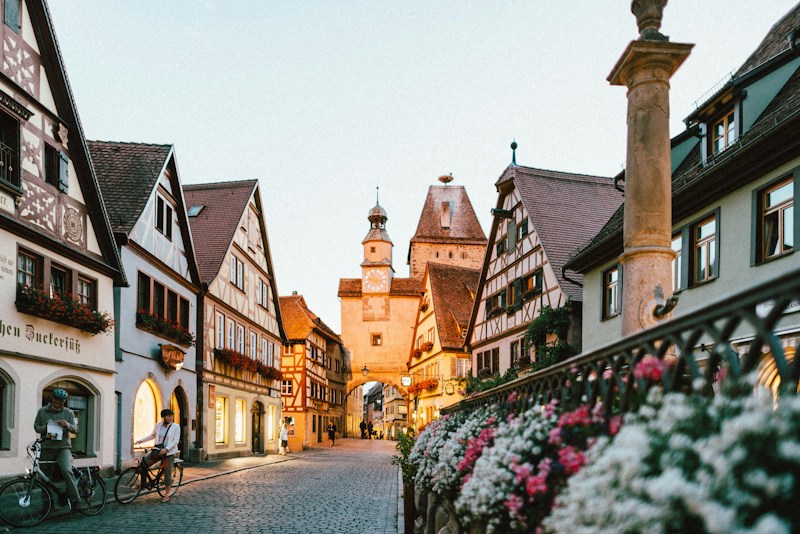
Ljubljana, Slovenia — Europe’s Best-Kept Capital
Ljubljana (pronounced lyoo-BLEE-ah-nah) is one of Europe’s smallest capitals and, arguably, its most livable. The pedestrianized old town sits along the Ljubljanica River, lined with café terraces and bookstalls. A dragon-guarded bridge connects it to the castle above. The whole experience takes maybe two days to explore at a leisurely pace — which means most tourists skip it for places they recognize from movies.
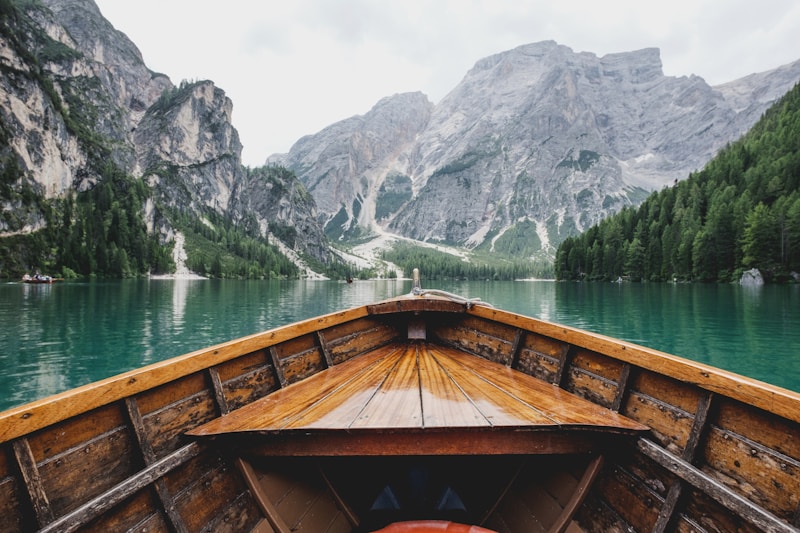
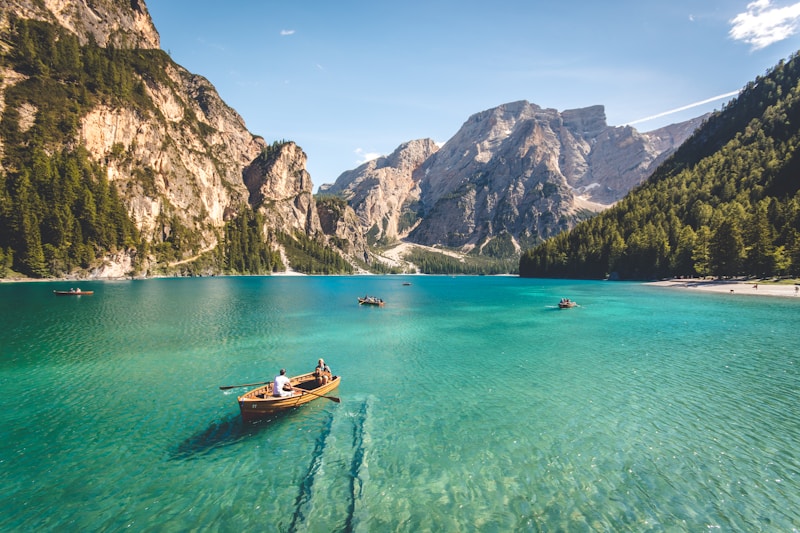
Accommodation is dramatically cheaper than Vienna or Prague. The food scene has quietly become exceptional — chefs trained in Copenhagen and Barcelona who chose to open restaurants in a city where rents were manageable. Neighboring Lake Bled is a 45-minute bus ride away and looks so impossibly beautiful that photographs of it seem fake.
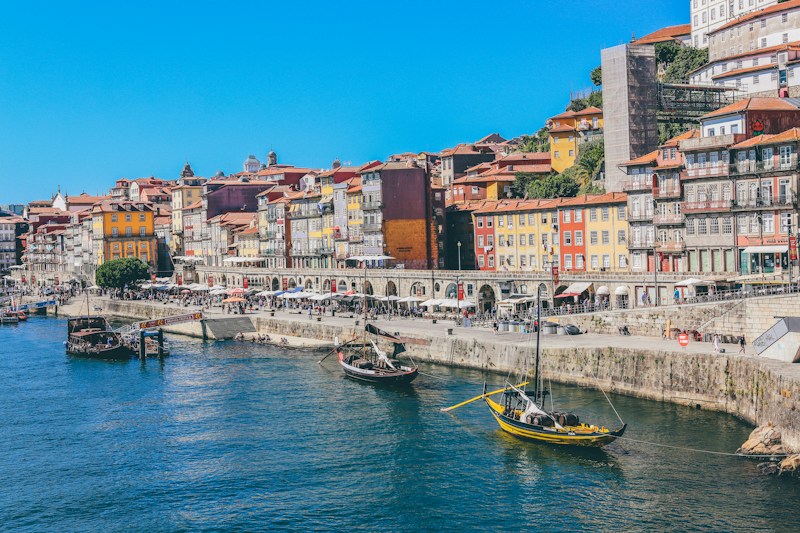
Porto, Portugal — Not Lisbon, and Better for It
Lisbon has been discovered. Property prices have tripled. The famous tiles and trams now exist primarily as backdrop for influencer content. Porto, two hours north by train, has absorbed some spillover tourism but still functions as a real city where real people live.
Porto is built on hills above the Douro River, with a riverfront warehouse district — the Ribeira — that’s been converted into restaurants and wine cellars without losing its working-class grit. The port wine lodges across the river in Vila Nova de Gaia offer tastings for a few euros. The city’s azulejo tiles are more elaborate and more cared-for than Lisbon’s, covering entire building facades and the interior of the São Bento train station in panels depicting Portuguese history.
Plovdiv, Bulgaria — The Oldest City You’ve Never Considered
Plovdiv was the European Capital of Culture in 2019 — an honor that briefly put it on European travelers’ radar before COVID erased travel plans globally. Most of those plans were never rebooked.
The result is a city of considerable cultural richness that remains genuinely uncrowded. The old town is a maze of 19th-century Bulgarian Revival houses perched above Roman ruins — a Roman amphitheater sits at the center, still used for concerts and performances. The Kapana district is a pedestrianized quarter of artists’ studios, craft breweries, and independent restaurants. Prices are among the lowest in the EU.
Ghent, Belgium — Better Than Bruges, Without the Tour Groups
Every American who visits Belgium goes to Bruges. This is understandable — Bruges is visually stunning, a medieval city preserved in amber. It’s also extremely crowded and oriented almost entirely around tourism, which gives it a museum-city quality that’s more impressive than genuinely enjoyable.
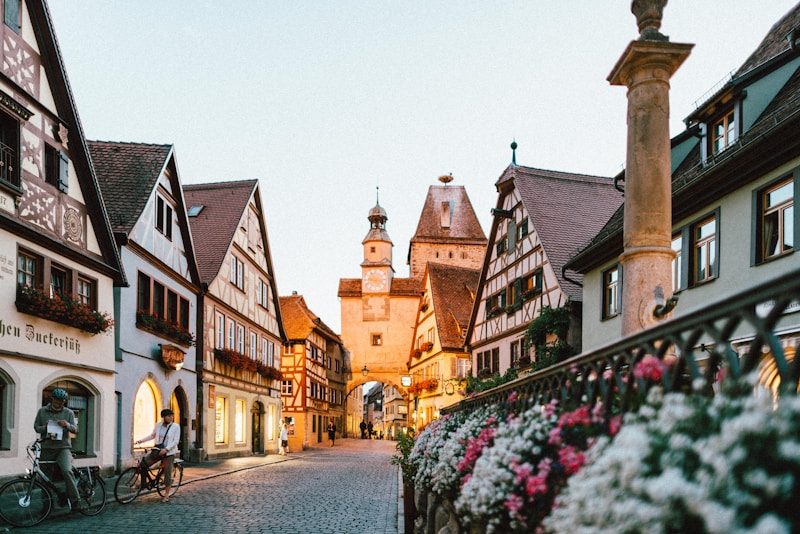
Ghent is a 30-minute train ride away and is what Bruges might look like if actual Belgians still lived there. The historic core is just as beautiful — medieval guildhouses along a canal, a castle built in the year 942, a cathedral housing one of the most important paintings in European art. It also has a thriving university population, the bar culture that implies, and restaurants serving serious Belgian food at non-tourist prices.
Tallinn, Estonia — Medieval Architecture Meets Digital Innovation
Estonia is arguably the most digitally advanced country in the world — it’s where Skype was created, where citizens vote online, and where even paying for parking happens via app. Its capital Tallinn wraps this modernism in one of the best-preserved medieval old towns in Europe, a UNESCO World Heritage site of turreted walls, cobblestone streets, and church spires that survived both Soviet occupation and the tech-company gentrification that would have priced out every interesting restaurant in a Western European equivalent.
Old Town is for tourists. But step outside its walls into Telliskivi — a converted industrial district of creative studios, street food markets, and bars — and you’re in the city Estonians actually inhabit. It’s one of the most interesting 48 hours in Europe, with some of the lowest prices of any EU capital.

The Window Is Open — But Not Forever
Every city on this list is, to varying degrees, being discovered. Airbnb listings are growing. Instagram accounts are noting them. Travel influencers are “finding” them for audiences of millions.
The window before mass tourism transforms a place is impossible to predict with precision, but it has been reliably 3–10 years from first mainstream coverage to saturation for cities of this size. If any of these have been on your list, the case for going sooner rather than later is strong. The Bruges that delights you in 2025 becomes the Bruges that disappoints you in 2030 — not because the buildings changed, but because the tourism economy built around them did.