What separates people who live long, healthy lives from those who don’t? Genetics play a role, but research on centenarians (people who live to 100+) and the communities with the world’s highest concentrations of healthy elderly people — the so-called Blue Zones — consistently points to a handful of foods that appear again and again in the diets of the world’s healthiest, longest-lived populations.
We also spoke to registered dietitians who work with elite athletes, chronically ill patients, and longevity-focused individuals about what they actually eat every day. The overlap between the research and their personal practices reveals the foods that have genuinely earned their superfood status.
1. Leafy Greens (Especially Spinach, Kale, and Arugula)
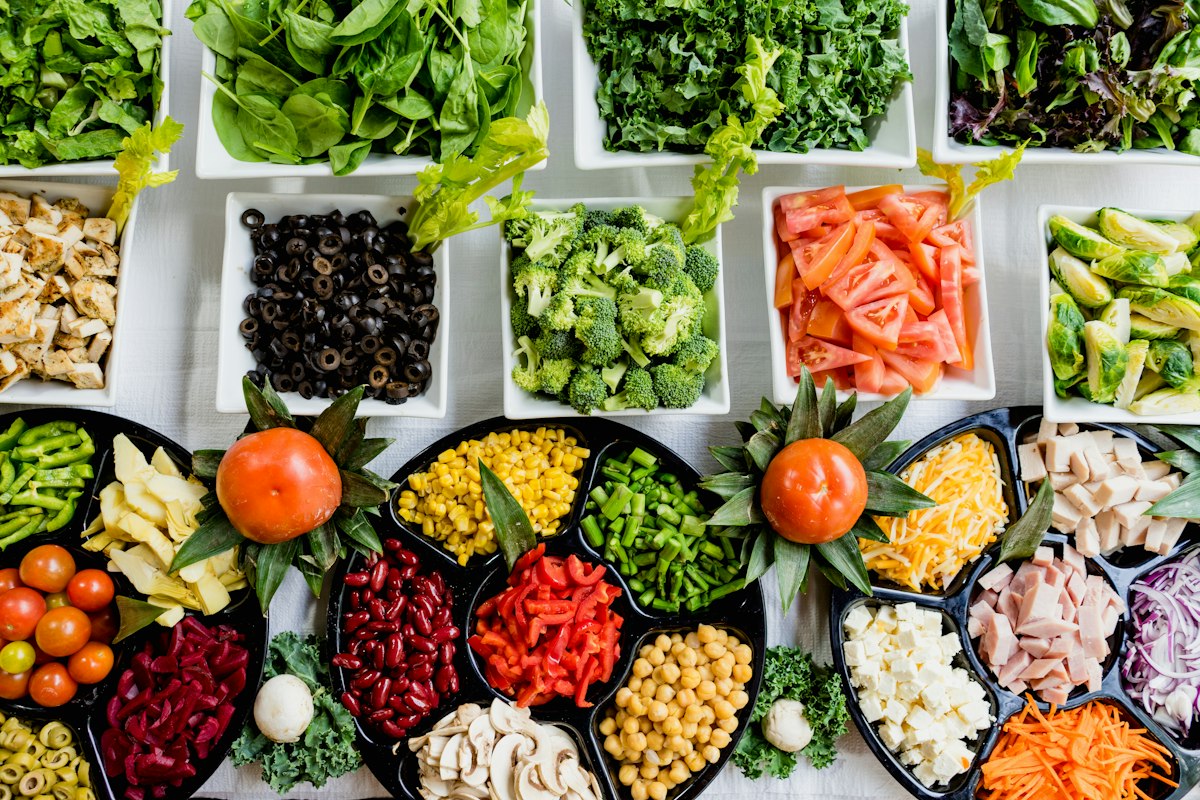
If there’s one food category that nutritionists universally agree on, it’s dark leafy greens. They are among the most nutrient-dense foods that exist — high in folate, vitamin K, magnesium, iron, calcium, antioxidants, and fiber — while being extremely low in calories.
A 2018 study from Rush University Medical Center found that people who consumed one serving of leafy greens per day had cognitive performance equivalent to people 11 years younger. The likely mechanisms involve reduced neuroinflammation and better brain blood flow from the nitrates in greens.
Nutritionists eat these daily — often in morning smoothies where the taste is masked, in salads, or sautéed as a side to virtually any dinner.
2. Olive Oil (The Real Kind)
Extra-virgin olive oil is the cornerstone fat of the Mediterranean diet — the most extensively researched eating pattern in human history for longevity and disease prevention. The PREDIMED trial, one of the largest nutrition studies ever conducted, found that adding extra olive oil to the diet reduced cardiovascular events by 30% compared to a low-fat diet.
The key compounds: oleocanthal (a natural anti-inflammatory similar in mechanism to ibuprofen) and oleic acid (which reduces LDL oxidation and inflammation). The key qualifier: “extra-virgin” matters. Many cheaper “olive oils” are blended with other oils. Look for a harvest date on the bottle and use it within 18 months.
3. Blueberries (and Other Berries)
If nutritionists have a favorite fruit, it’s almost certainly blueberries. They have one of the highest antioxidant contents of any commonly available food. The specific compounds — anthocyanins — have been shown to cross the blood-brain barrier and directly reduce neuroinflammation.
Harvard research following over 16,000 women found that those who ate blueberries regularly had their cognitive aging delayed by up to 2.5 years compared to non-berry eaters. A separate study found that blueberry consumption measurably improved memory and learning in older adults with mild cognitive impairment.
4. Legumes (Beans, Lentils, Chickpeas)
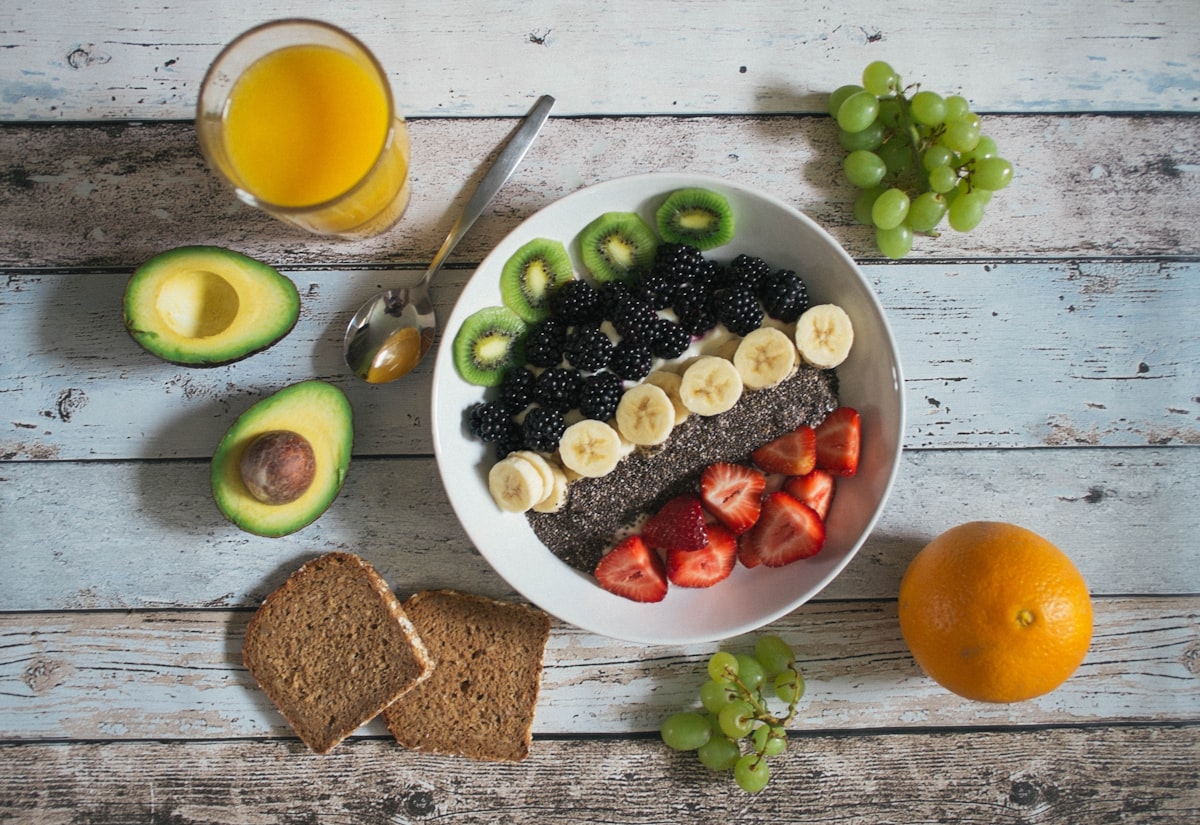
Blue Zone researcher Dan Buettner has identified legumes as perhaps the single most consistent dietary predictor of longevity across all five Blue Zone populations. People in Sardinia eat lots of fava beans. Okinawans eat soy-based foods. Seventh-Day Adventists in Loma Linda eat large quantities of all legumes.
Legumes are uniquely health-promoting: high in protein (important for muscle maintenance), very high in fiber (gut health, cholesterol reduction, blood sugar regulation), low in fat, and inexpensive. A 2004 study found that among five cohorts across Japan, Sweden, Greece, and Australia, legume intake was the most consistent predictor of survival in people over 70 — a 7–8% reduction in death risk for every 20g increase in daily intake.
5. Fermented Foods (Yogurt, Kimchi, Kefir)
The microbiome research discussed widely in nutritional science has elevated fermented foods from a health trend to a dietary staple for informed practitioners. Registered dietitians who specialize in gut health consistently emphasize fermented foods as the most efficient way to introduce beneficial bacteria and support microbiome diversity.
Plain, full-fat Greek yogurt with live cultures is the most accessible option for most people. Kimchi and sauerkraut add probiotic benefit alongside anti-cancer compounds from cruciferous vegetables. Kefir (a fermented milk drink) has been shown in clinical trials to reduce lactose intolerance symptoms and improve microbiome diversity more effectively than regular yogurt.
The Common Thread
What these five foods share: they’re all whole, minimally processed foods with complex nutrient profiles that work through multiple mechanisms simultaneously. They’re not supplements, powders, or extracts — they’re real food that humans have eaten for millennia.
The simplest dietary advice, backed by the most research: eat more of these five things. Not at the expense of an overall varied diet — but as reliable anchors of daily eating that provide consistent, evidence-based benefit. The science of nutrition can be bewilderingly contradictory. This is one of the areas where it isn’t.