For decades, the gut was considered a simple digestive organ — a glorified food processor. In the last ten years, that understanding has been completely overturned. Researchers now know that your gastrointestinal tract houses a vast ecosystem of approximately 100 trillion microorganisms — the gut microbiome — that profoundly influences not just your physical health, but your brain function, mood, anxiety levels, and even your risk of depression.
The science connecting gut health to mental health is now robust enough that a new medical specialty has emerged: psychobiotics. Here’s what the research actually shows.
The Gut-Brain Axis: Your Second Brain
Your gut contains an estimated 500 million neurons — more than your spinal cord — connected to your brain via the vagus nerve in a bidirectional communication highway called the gut-brain axis. Your gut doesn’t just respond to your brain; it actively signals to it.
Remarkably, roughly 90% of your body’s serotonin — the neurotransmitter most associated with mood, wellbeing, and antidepressant medications — is produced in the gut, not the brain. Dopamine precursors are also synthesized there. This means that the bacterial environment in your intestines directly influences the raw material available for your brain’s emotional regulation systems.
What Happens When the Microbiome Is Disrupted
Studies on both animals and humans have found striking connections between microbiome disruption (called dysbiosis) and mental health conditions:
- Patients with major depression consistently show measurably different microbiome compositions than healthy controls, with lower levels of certain Lactobacillus and Bifidobacterium species.
- Germ-free mice (raised with no gut bacteria) show dramatically elevated stress responses and anxiety-like behaviors. When given gut bacteria from healthy mice, these behaviors normalize.
- Studies transplanting gut bacteria from depressed human donors into germ-free rats have induced depression-like symptoms in the rats — suggesting that gut bacterial composition can causally affect mood.
The Most Damaging Things for Your Gut Microbiome
- Ultra-processed foods: Emulsifiers, preservatives, and artificial sweeteners (particularly saccharin and sucralose) have been shown to disrupt the gut lining and reduce microbiome diversity.
- Antibiotics: Necessary when prescribed, but each course can reduce microbiome diversity for months. Always follow with probiotic foods if medically appropriate.
- Chronic stress: Stress hormones alter gut motility, permeability, and microbiome composition — creating a vicious cycle since an unhealthy microbiome makes you more stress-reactive.
- Sedentary behavior: Exercise has been shown to increase microbiome diversity independently of diet.
What Actually Helps Your Gut (and Brain)
The good news: the microbiome is remarkably responsive to intervention. Research from the Stanford Human Food Project found that a diet high in fermented foods dramatically increased microbiome diversity and reduced inflammatory markers within just six weeks:
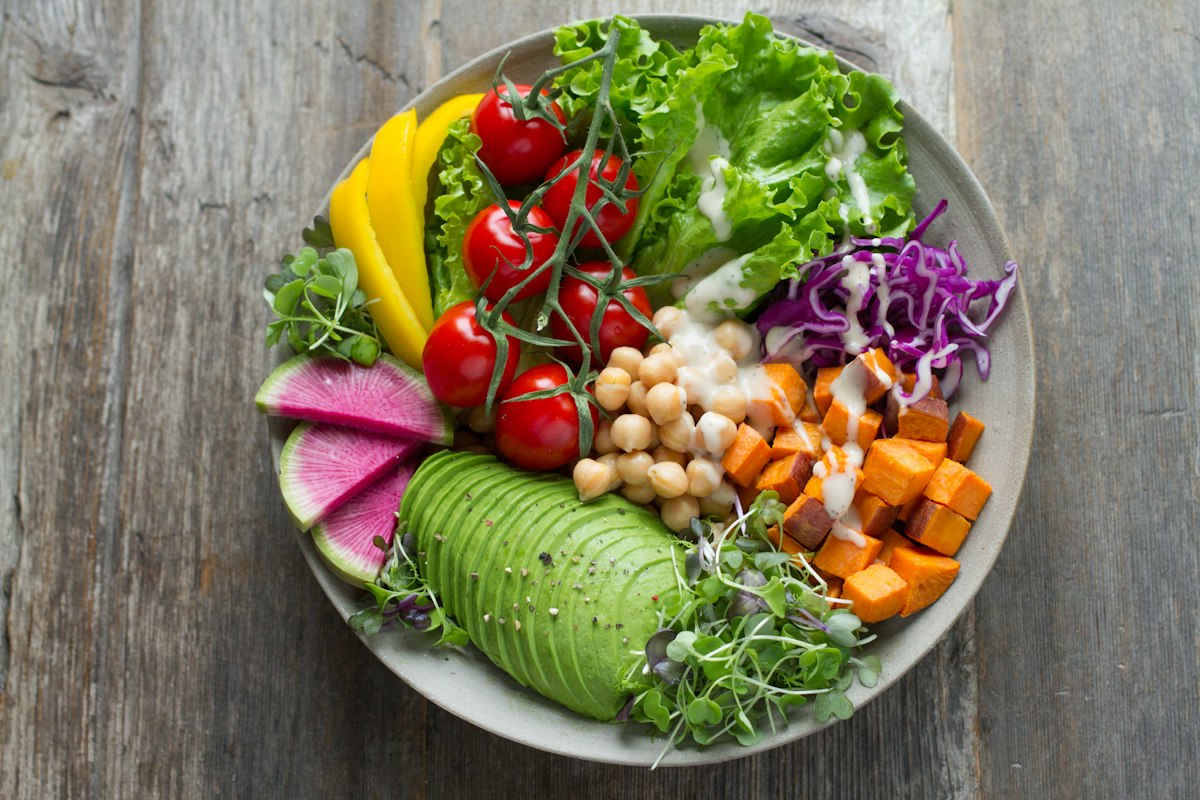
- Fermented foods: Yogurt, kefir, kimchi, sauerkraut, miso, and kombucha directly introduce beneficial bacteria. The Stanford study found these outperformed high-fiber diets for microbiome diversification.
- Fiber diversity: Eating 30+ different plant foods per week has been associated with significantly higher microbiome diversity. Different bacterial species feed on different types of fiber.
- Omega-3 fatty acids: Found in fatty fish, flaxseed, and walnuts, omega-3s are associated with reduced gut inflammation and improved microbiome composition.
- Polyphenols: Plant compounds in berries, dark chocolate, olive oil, and tea are preferentially metabolized by beneficial gut bacteria and associated with reduced depression risk.
The Clinical Reality
To be clear: gut health is not a replacement for psychiatric care. Severe depression, anxiety disorders, and other mental health conditions require professional treatment. But increasingly, that treatment is expanding to include dietary and microbiome interventions as meaningful complements to conventional therapy and medication.
A 2022 randomized controlled trial in Australia found that a Mediterranean-style dietary intervention reduced depression scores significantly in young adults with moderate-to-severe depression — more than a social support intervention used as a control. The gut was likely a major mediator.
If you’ve tried lifestyle changes for mental health without addressing your diet, you may have missed a key lever. The relationship between what you eat and how you feel runs deeper than most of us were ever taught.